

Navigating life as an LGBTQ+ Latino in the United States comes with unique struggles. Balancing family expectations and cultural values while facing prejudice and adapting to a new country’s legal landscape can feel overwhelming. For many, finding the right support is crucial for mental and emotional well-being.
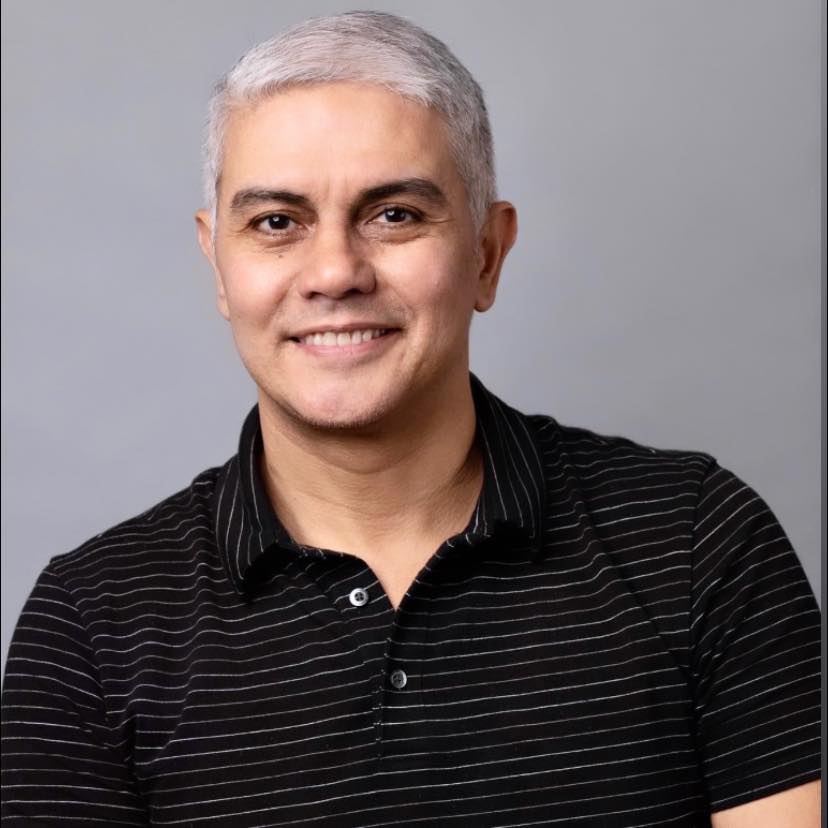
In this conversation, Víctor Franco, a Licensed Professional Counselor and Licensed Creative Arts Therapist, discusses why therapy in a person’s native language matters. He explains how culture, faith and legal protections shape the mental health experiences of queer and transgender Latino migrants. Drawing from professional and personal experience, he offers practical guidance on building community, maintaining self-worth and living authentically.
Víctor, you serve with the Latino-focused mental health nonprofit Ayúdate. They recommend therapy in a person’s native language. Why?
It helps people feel comfortable, accepted and truly seen. Many clients are trying to build a life in the United States. They often feel pressure to change how they speak, think and live to fit in.
Clients are also pushed toward a more individualistic way of life, which can feel very different from the family- and community-centered cultures they come from. In therapy, our priority is to create a welcoming space. What matters most is that people feel accepted and able to be themselves without carrying the constant weight of having to adapt or explain who they are.
Speaking in one’s native language helps clients express their emotions more clearly. Above all, it removes a major barrier and relieves the pressure of forced adaptation.
Defying cultural roots
As someone bicultural, Latino by origin but raised and educated in the U.S., what cultural factors make life more difficult for queer and transgender Latino people?
From both my work and personal experience, one of the biggest burdens is the strong emphasis on family loyalty. In many Latino families, honoring the family is deeply important. The family’s opinion often carries more weight than personal preferences. Many Latin American cultures value community and family unity, while U.S. culture emphasizes individual goals, personal growth and careers.
Religious life is central in most Latin American countries. Catholicism and Christianity are widespread and often promote a traditional heterosexual model focused on reproduction and the so-called traditional family.
- Advertisement -

When family expectations and religious beliefs converge, many members of this population feel stuck. They struggle with coming out, living openly or determining if it is safe to do so.
I grew up in a religious household with little guidance from the church or community on supporting LGBTQ+ people. Messages were often fear-based: people would “go to hell” or needed to change behavior, as if it were simple to fix. There was no real support, only demands.
Without family or religious support, many people feel trapped between two powerful, conflicting pressures.
Experiencing queerness in the U.S.
How does the experience of LGBTQ+ people born and raised in the U.S. differ from that of Latino immigrants, especially regarding religion and family expectations?
Beyond family and religion, the law plays a key role. In many Latin American countries, queer and transgender individuals are not fully protected and can face legal punishment for who they are.
In the U.S., legal protections are stronger. Discrimination based on sexual orientation or gender identity is illegal. This affects daily life. LGBTQ+ people can be more open in public spaces, though discrimination still exists depending on location.
Marriage equality, legal nationwide in 2015, is one example. Inclusive faith communities also welcome LGBTQ+ people rather than reject them. Over time, these legal and cultural shifts have influenced families, many of which are more open and accepting than in the past.
LGBTQ+ and a migrant: An added weight
How challenging is life for someone both LGBTQ+ and a migrant in the U.S.?
One of the biggest obstacles is internal. Many people work to rebuild self-esteem and confidence. They arrive in a country where their identity may be protected by law, yet they face a choice: live openly or continue hiding to preserve family ties and cultural values.
They also face discrimination as immigrants because of language barriers, immigration status or prejudice. In asylum cases, many remain anonymous out of fear that violence they fled could reach them here. This creates a painful conflict: wanting to live freely while fearing personal cost.
Finding support and building community
What advice would you give LGBTQ+ Latinos in Pittsburgh and Pennsylvania seeking stability and peace of mind?
Do not isolate yourself. Finding spaces where you are accepted makes a huge difference. If support does not come from family, seek Latino LGBTQ+ networks, support groups or communities with shared experiences.
Connections can come through work, friendships, understanding relatives or community organizations. There is no single right way; what matters is continuing to look.
It is also important not to focus only on work or school. Making time for activities that reduce stress—exercise, art, hobbies or anything you enjoy—helps you feel whole, not just surviving.
Having one or two trusted people to talk to openly, even by phone, is essential. Speaking honestly about your experiences supports emotional health.
When should someone consider therapy?
When depression or anxiety persists and affects daily life. Changes in sleep, appetite, energy or loss of interest in activities are clear warning signs.
Therapy is also important if personal relationships become toxic or consistently distressing. It can teach people to set boundaries or step away from harmful connections.
Many Latinos grow up believing they must handle everything alone. Letting go of such pride is essential. Seeking help is not a weakness. It is a sign of strength.