

For the first time since 1988, the federal government failed to recognize World AIDS Day officially. This erasure didn’t happen in a vacuum—it followed a series of targeted actions by the current administration: slashing federal aid, banning diversity initiatives, and halting research related to Queer and Trans health.
The erasure was not a simple oversight but another breakdown of the failure to hold and protect the most vulnerable among us. These days are not just about pomp and circumstance; they serve not only as a reminder of what happens when the government fails to act but also as a glimpse of what is possible when we work together to address health crises on a global scale. By refusing to acknowledge World AIDS Day, the administration failed to meet the moment.
What was meant to be a day of education and advancement has turned into another example of our community demanding to live, to be seen, and to exist. This erasure and failure to commemorate such a vital occurrence were met with direct action and calls for protecting funds for AIDS and HIV research. Folks from ACT UP Pittsburgh joined hundreds in Washington, DC, to protest the erasure and to remind folks of how many people are still here and committed to the fight for accessible care and support for those living with HIV AIDS.
Yet the medical industry’s failure to meet the community’s needs existed long before this administration exacerbated the situation. Trans youth were put in a dire situation when their care was unilaterally ripped from them. Black Queer families were already struggling to find culturally competent care for their families. Hundreds of Queer and Trans youth were facing a mental health crisis. Elders were priced out of care and unable to navigate new automated systems.
The support systems for Queer and Trans People are failing people across all socioeconomic channels and communities. A few months ago, many of us were taken aback when images and videos of Lil Nas X in a state of undress and in duress flooded social media. Speculation of various substance abuse disorders came about only to be debunked when Lil Nas X came back without the presence of any illicit drugs. He at the peak of his career suffered a mental health event and instead of facing care was criminalized and placed into the legal system. His case highlights how little care and support is provided to Queer and Trans people in crisis.
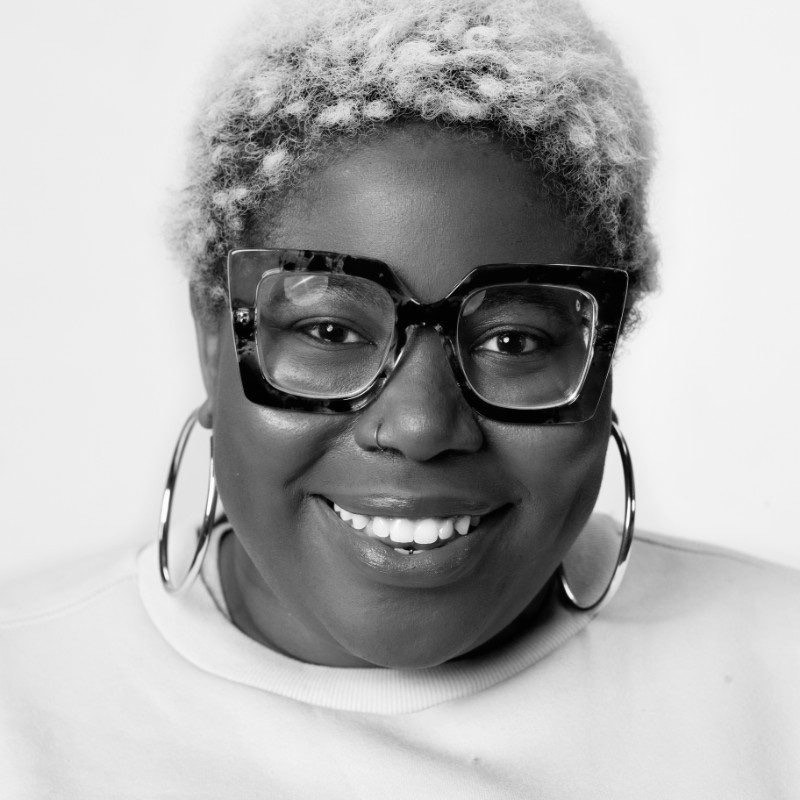
“Care for Queer and Trans people is under attack precisely because it works,” said Naheen, Executive Director and co-founder of True T Pittsburgh. “At True T PGH, we watch culture become a doorway to health, Ballroom events that connect folks to HIV testing and PrEP, workshops that double as safer spaces, and providers who respect pronouns, name, and lived experience. When care is status-neutral, low-barrier, and run with dignity, people come earlier, stay connected, and bring community with them.”
This model of care, status-neutral, low-barrier, and grounded in dignity, helps people come earlier, stay engaged, and build trust in systems that have otherwise failed them.
“Politicizing or restricting care doesn’t make anyone safer. Resourcing care does. Ensuring access means funding culturally competent services, protecting gender-affirming care, and meeting people where they are, be it on the dance floor, online, and in the neighborhood,” Naheen continued. “It means Pay-What-You-Can entry, harm-reduction supplies, real navigation, and staff who look like and understand the people they serve.”
“If we want a healthier Pittsburgh, we must protect access to Queer and Trans care, decriminalize our lives, and invest in the organizations already doing the work. That’s not special treatment—it’s public health and basic human dignity.”
Society is failing our Queer and Trans siblings at every single level. From community members being denied care, Trans youth being cut off unilaterally from gender affirming care, or the administration gutting HIV/AIDS research, access to Health is being stripped away from us in front of our very eyes. It’s not just our health that is under attack; it’s our very existence.
Queer and Trans people are a part of the fabric of this nation’s history and must not face medical erasure and dispossession from society.
“It’s critical for access to health care and supports to be increased for Trans people,” said Freedom Foster-Grady, of Transformation Yoga. “Continued care for Trans people keeps us living longer. Creating a world where we can thrive and survive makes everyone’s world better.”
Their words remind us that this fight isn’t just about services but also about transformation. “Being Trans is a radical and sometimes forceful demand for us to look at ourselves and choose liberation and self-acceptance over safety,” they continued. “Just by living, we model the integrity of being and show people how to walk a path towards personal liberation.”
Transphobia, Freedom reminds us, isn’t rooted in hate alone but a reflection of how others feel about themselves. “We serve as a mirror for the self-harm people were taught and continue to participate in since childhood. People aren’t coming after us. They don’t know us. People come for Trans people proportionate to how much they have sacrificed their own integrity of being.”
That’s what makes this moment so urgent. Those who are in pain project it outward, and Trans people, those living boldly, showing what freedom can look like, become their targets. “These people are in so much pain that they are trying to kill the people who can show them how to live a better life.”
Freedom’s insight reframes care not just as treatment, but as a portal. A practice of collective healing, where Trans survival becomes a map toward everyone’s liberation. “The importance of continued care is not just for Trans people,” they said. “It’s for the better world we have created within ourselves and our community that we show others how to create just by living.”
Over the past few months, social media platforms have quietly rolled back and shadow-banned Queer and Trans accounts. Universities have disbanded and removed Queer spaces, while medical institutions have reduced care and programs designed to support LGBTQ+ patients and caregivers. Under the guise of protecting children from “harmful” information, legislatures have even begun to introduce bills to surveil and limit access to the internet for sites
These platforms not only create visibility for Queer people but also share needed healthcare information that is pertinent for the survival of our community as the government cracks down on the availability of medication and goes after medical providers for gender affirming and culturally competent care. As we are in the midst of preparing for Black AIDS Day on February 7, we are also wrestling with the very real prospect that HIV and AIDS research may come to a screeching halt and undo all the progress and advancements made thus far.
We must not return to the shadows and secrets but continue to live boldly and demand better care and better representation from our leaders. We must continue to tell our stories without shame and fear. We must meet this moment by showing up for each other and building spaces for us to share our stories, provide care, build safety, and fight for liberation.
“All humans should have equal access to physical and behavioral health care. We must continue to strive to remove barriers, such as discrimination, prejudice, lack of financial resources, and ignorance, not reinforce them,” says Mary Bockovich, Executive Director of Allies for Health + Wellbeing.
We must not be silenced. We must continue to speak out and press forward, demanding care for our entire community and policies that ensure each and every member of the community can live out loud without barriers and thrive.
“If you are silent about your pain, they’ll kill you and say you enjoyed it.”
Zora Neale Hurston